

Could Your Cat Be a Therapy Cat?
Could Your Cat Be a Therapy Cat? 5 Reasons and 5 Steps to Get Started!
When people think of therapy pets, dogs may be what comes to mind first, but cats can also be just as capable and calming for youth in need of their support! A therapy cat can provide comfort, joy, and emotional support to young people in a variety of settings, including schools, shelters, behavioral health centers, and more. If you’re a cat lover, volunteering with your feline friend could be one of the most rewarding experiences you’ll ever have.

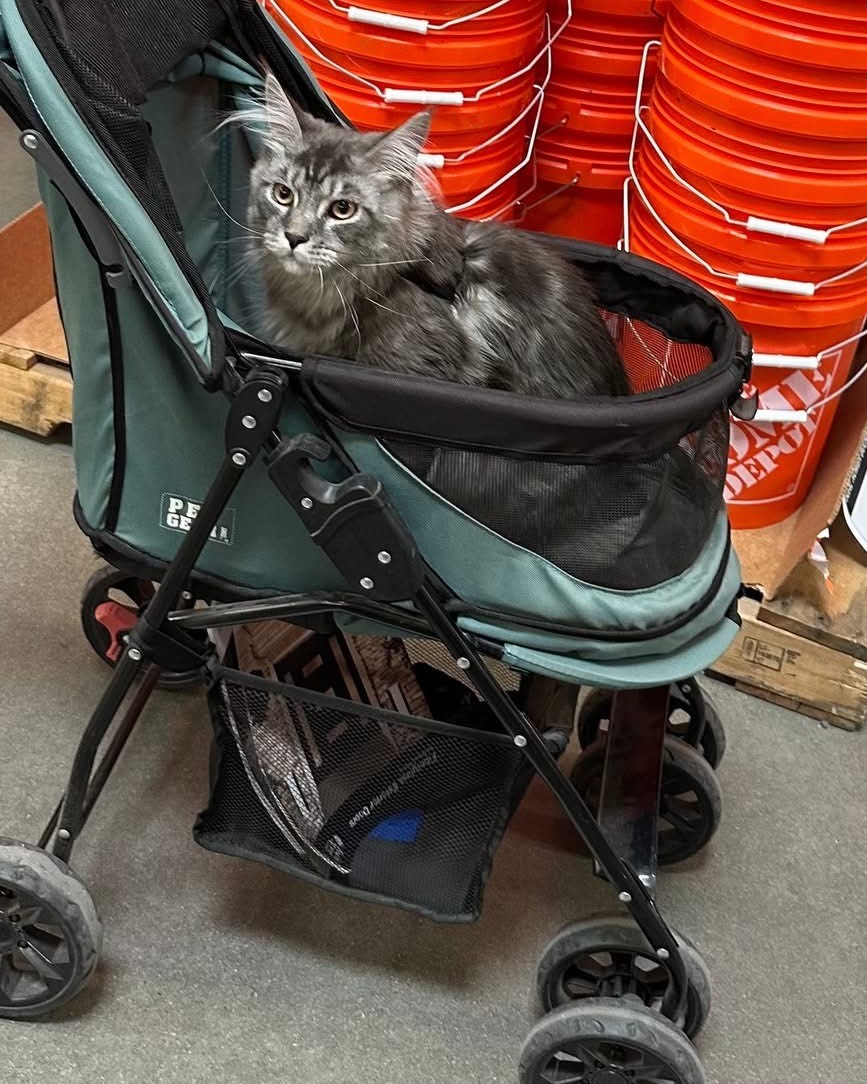
At Gabriel’s Angels, we’ve seen the healing power of therapy cats firsthand. We’ve had several therapy cats delivering our programs to local youth over the years, and now gorgeous Rigatony may soon be joining his big “brother” York (a therapy dog) on visits to support youth in our programs! His volunteer handler, Joanne, has been preparing Rigatony by introducing him to new environments, getting him comfortable with a harness and stroller, and even arranging visits to an assisted living home. She says the most important qualities in a potential therapy cat are confidence and a calm demeanor.
If you’ve ever wondered, “Could my cat be a therapy cat?” here’s why you should consider it and how to get started.
Why Become a Therapy Cat Volunteer?
1. Share Your Cat’s Love With Others
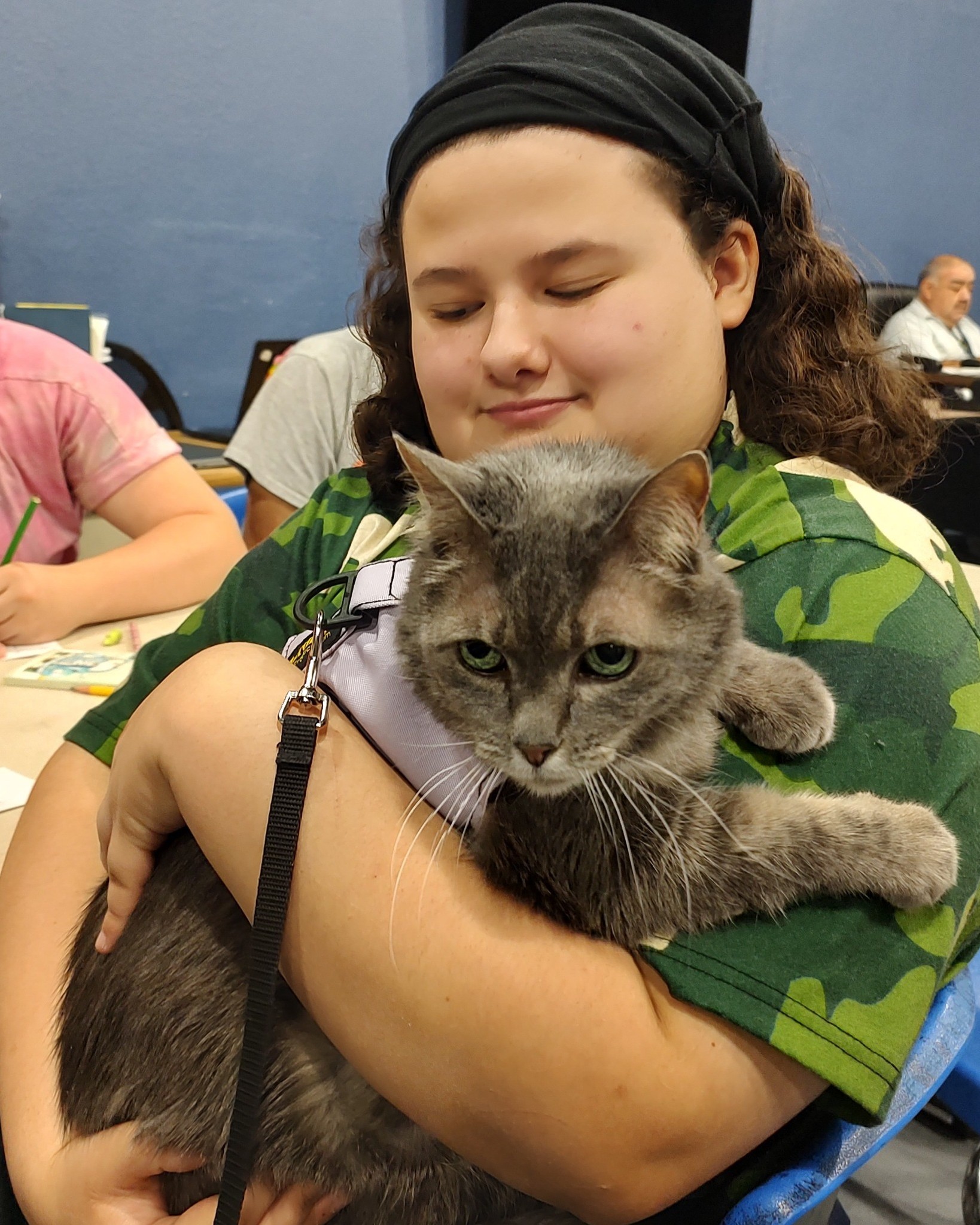
Cats have a unique way of providing comfort. Research shows that the cat-human bond is powerful, with many owners describing their cats as a source of companionship, emotional support, and joy. Bringing that comfort to someone who is struggling, like a kid or teen who is going through a difficult time, can be life-changing. Therapy Cat Noel, pictured here, was a pro at making these impactful connections.
2. Strengthen Your Own Bond With Your Cat
Training and volunteering as a therapy team deepens the relationship between you and your cat. The process of socialization, gentle handling, and shared experiences builds trust and communication. Studies have shown that even walking cats or introducing them to safe new environments can improve their quality of life and help them enjoy their lives to the fullest.
3. Improve the Well-Being of Others (and Yourself)
Therapy cats provide measurable benefits to the people they visit, such as reducing stress, encouraging communication, and boosting mood. But cat handlers often report personal benefits too, including improved mental health, a stronger sense of purpose, and fulfillment in giving back to the community.
4. Show That Cats Can Do Anything Dogs Can Do
Cats are sometimes underestimated when it comes to their ability to connect with people. By volunteering with your cat, you help break stereotypes and demonstrate just how adaptable, social, and loving cats can be.
5. Bring Pet Therapy Programs to Those Who Might Otherwise Miss Out
As much as we love dogs, not everyone shares our feelings. Some of the youth we serve are intimidated by larger animals or frightened of all dogs regardless of their size. Cats can feel more approachable, providing a calming pet therapy experience that may otherwise be missed by those who are fearful of dogs.
How to Prepare Your Cat to Become a Therapy Cat
Not every cat is suited for therapy work, but with the right preparation, many can thrive. Here are steps to set your feline up for success:

1. Start With Socialization
Introduce your cat to a variety of people, environments, and experiences in a positive way. This could mean meeting new friends at home, visiting cat-friendly stores, or taking short walks in a stroller or on a harness.
2. Build Confidence Slowly
Pay attention to your cat’s comfort level. Therapy cats should be confident but calm, not fearful or aggressive. Give your cat time to adjust to new sights, sounds, and smells gradually. Pictured here, Rigatony is a little concerned about how interested the dog is with him, but is remaining politely in the woman’s arms until his handler can help give him more space.
3. Practice Handling
Therapy visits often involve being petted by strangers. Get your cat used to gentle touches on paws, ears, and tail, rewarding them with their favorite treats for calm behavior.
4. Use the Right Equipment
Safety is key. Harnesses and pet strollers are excellent tools to keep your cat secure while allowing them to explore safely (just like Rigatony does during his practice outings).
5. Consider Certification
Organizations like Pet Partners require therapy cats to be at least one year old and to pass an evaluation with their handler. Certification helps ensure your cat is prepared for visits in pet therapy programs like ours.
Ready to See If Your Cat Has What It Takes?
If reading this has you thinking about your own feline friend, ask yourself: Does my cat have a calm temperament, confidence around new people, and an affectionate nature? If the answer is yes, your cat could be a great therapy cat! We’re always excited to welcome new volunteers: Sign up for our next virtual volunteer info session to learn more about supporting local youth in need with the healing power of your incredible pet.